

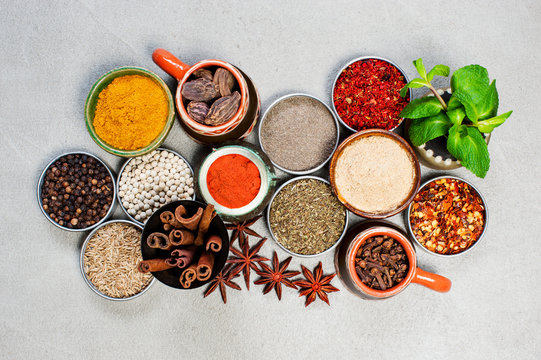


The Middle Eastern Spice Route is more than a historic trade network — it’s a story of culture, cuisine, and centuries of flavor exchange. From the bustling souks of ancient cities to modern kitchens around the world, Middle Eastern spices have shaped global gastronomy.
In this guide, we’ll explore the origins of the spice route, essential spices, popular blends, and how you can bring these bold flavors into your own cooking.
The History of the Middle Eastern Spice Route
The spice route connected Asia, the Middle East, North Africa, and Europe for thousands of years. Traders transported precious goods like cinnamon, saffron, cardamom, and black pepper across deserts and seas.
These routes were vital to economic growth and cultural exchange. Cities became culinary crossroads where flavors blended, creating rich and diverse regional cuisines.
Essential Spices of the Middle Eastern Kitchen
Here are some foundational spices that define Middle Eastern flavor:
1. Cumin
Earthy and warm, cumin is used in rice dishes, stews, and grilled meats.
2. Coriander
Citrusy and slightly sweet, it balances savory dishes beautifully.
3. Sumac
Tangy and bright, sumac adds a lemony finish to salads and meats.
4. Turmeric
Known for its vibrant golden color and mild bitterness.
5. Cardamom
Fragrant and slightly sweet, often used in desserts and coffee.
6. Saffron
Luxurious and aromatic, used in rice and festive dishes.
Popular Middle Eastern Spice Blends
✔ Za’atar
A mix of thyme, sumac, sesame seeds, and salt — perfect for bread and dips.
✔ Baharat
A warm blend typically including black pepper, cinnamon, cloves, and paprika.
✔ Ras el Hanout
A complex Moroccan-inspired blend with layered spices.
✔ Shawarma Seasoning
Bold and savory, ideal for grilled meats and wraps.
These blends simplify cooking while delivering deep, authentic flavor.
How to Use Middle Eastern Spices at Home
You don’t need advanced culinary skills to enjoy these flavors. Try:
-
Sprinkling za’atar over olive oil and flatbread
-
Adding cumin and coriander to roasted vegetables
-
Mixing sumac into yogurt sauces
-
Using baharat in soups and meat marinades
-
Brewing cardamom into coffee or tea
Layering spices gradually helps build complexity without overpowering a dish.
Health Benefits of Middle Eastern Spices
Many spices on the Middle Eastern spice route are known for potential wellness benefits:
-
Turmeric contains curcumin, linked to anti-inflammatory properties
-
Cumin supports digestion
-
Cardamom may aid metabolism
-
Coriander can promote gut health
These spices enhance both flavor and nutritional value.
Bringing the Spice Route to Your Kitchen
Stocking your pantry with quality, fresh spices is key. Store them in airtight containers away from light and heat to preserve aroma and potency.
Experimenting with spice blends allows you to recreate authentic Middle Eastern flavors while customizing them to your taste.
Final Thoughts
The Middle Eastern Spice Route represents centuries of culinary tradition, cultural exchange, and unforgettable flavor. By incorporating these spices and blends into your cooking, you can transform everyday meals into vibrant, aromatic experiences.
Explore, experiment, and let your kitchen travel the spice route — one dish at a time.