

Beginner’s Guide to Cooking at Home
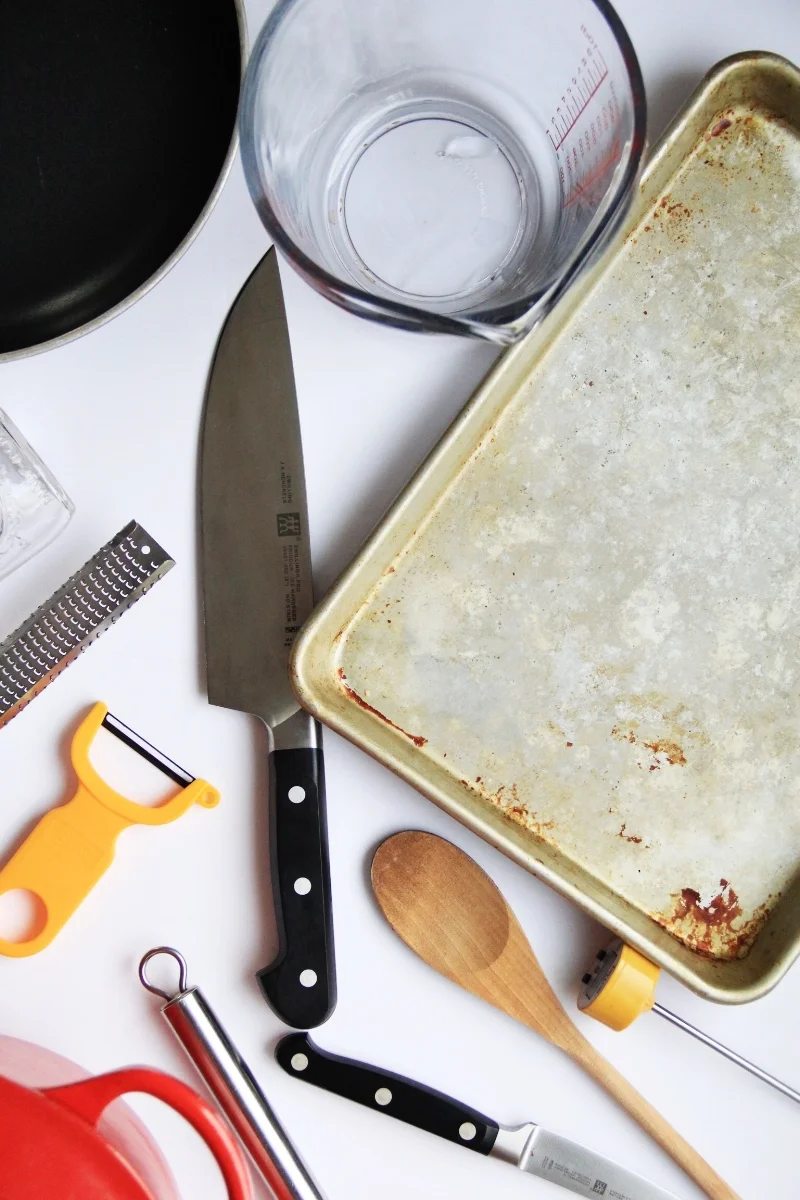


Cooking at home is one of the most useful skills anyone can learn. Not only does it help you eat healthier meals, but it can also save money and allow you to enjoy food exactly the way you like it. For beginners, learning to cook may seem intimidating at first, but with the right tools and simple techniques, anyone can start preparing delicious meals at home.
This beginner’s guide explains the basic kitchen tools and simple cooking habits that will help you feel more confident in the kitchen.
Start with Basic Kitchen Tools
You don’t need a professional kitchen to begin cooking. A few simple tools are enough to prepare many everyday meals.
Essential kitchen tools for beginners include:
-
Chef’s knife for cutting vegetables, meat, and herbs
-
Cutting board for safe food preparation
-
Frying pan for cooking eggs, vegetables, and quick meals
-
Medium pot for soups, pasta, and sauces
-
Wooden spoon or spatula for stirring food
These basic tools allow you to cook a wide variety of simple recipes without filling your kitchen with unnecessary equipment.
Learn Simple Cooking Techniques
Instead of focusing on complicated recipes, beginners should first learn a few basic cooking methods. These techniques form the foundation of many dishes.
Important cooking techniques include:
-
Sautéing – cooking food quickly in a pan with a small amount of oil
-
Boiling – cooking foods like pasta, rice, or vegetables in water
-
Roasting – cooking ingredients in the oven to develop flavor
-
Stirring and seasoning – balancing flavors with salt, herbs, and spices
Once you understand these methods, you will find it easier to prepare many different meals.
Choose Simple Recipes First
When starting your cooking journey, it is best to choose easy recipes with few ingredients. This helps you focus on learning cooking techniques without feeling overwhelmed.
Good beginner recipes include:
-
Scrambled eggs
-
Stir-fried vegetables
-
Simple pasta dishes
-
Rice bowls with vegetables or chicken
-
Basic soups
These meals are simple to prepare and allow you to practice important cooking skills.
Keep Your Kitchen Organized
A clean and organized kitchen helps make cooking easier and more enjoyable. Before starting any recipe, prepare your ingredients and tools so everything is ready to use.
Helpful kitchen habits include:
-
Washing vegetables before cooking
-
Measuring ingredients ahead of time
-
Cleaning as you cook
-
Storing tools in easy-to-reach places
Good organization reduces stress and helps you cook more efficiently.
Practice Cooking Regularly
Like any skill, cooking improves with practice. Even simple meals help build confidence in the kitchen.
Ways to practice cooking include:
-
Preparing meals at home several times a week
-
Trying new ingredients gradually
-
Watching cooking tutorials or reading recipes
-
Learning from small mistakes
Over time, you will become more comfortable experimenting with flavors and creating your own dishes.
Final Thoughts
Cooking at home doesn’t require expensive tools or complicated recipes. With a few basic kitchen tools, simple ingredients, and consistent practice, anyone can learn to cook delicious meals at home.
Starting with small, easy dishes and building your skills step by step will help you develop confidence in the kitchen. Soon, cooking at home can become an enjoyable and rewarding part of your daily routine.